On the fleet, the autonomous tier is passive optical: optical-AI in the air, SLAM on the ground. It reads light rather than a channel, so it gives an emitter nothing in the spectrum to find.
On a converted machine the perception set is local and mixed: cameras, lidar and proximity sensing, resolving objects, free space, hazards and the confidence attached to each. None of it is a radio and none of it is a command path. A camera reading the machine's own dash is how instrument state is taken, instead of a tap into the manufacturer's bus.
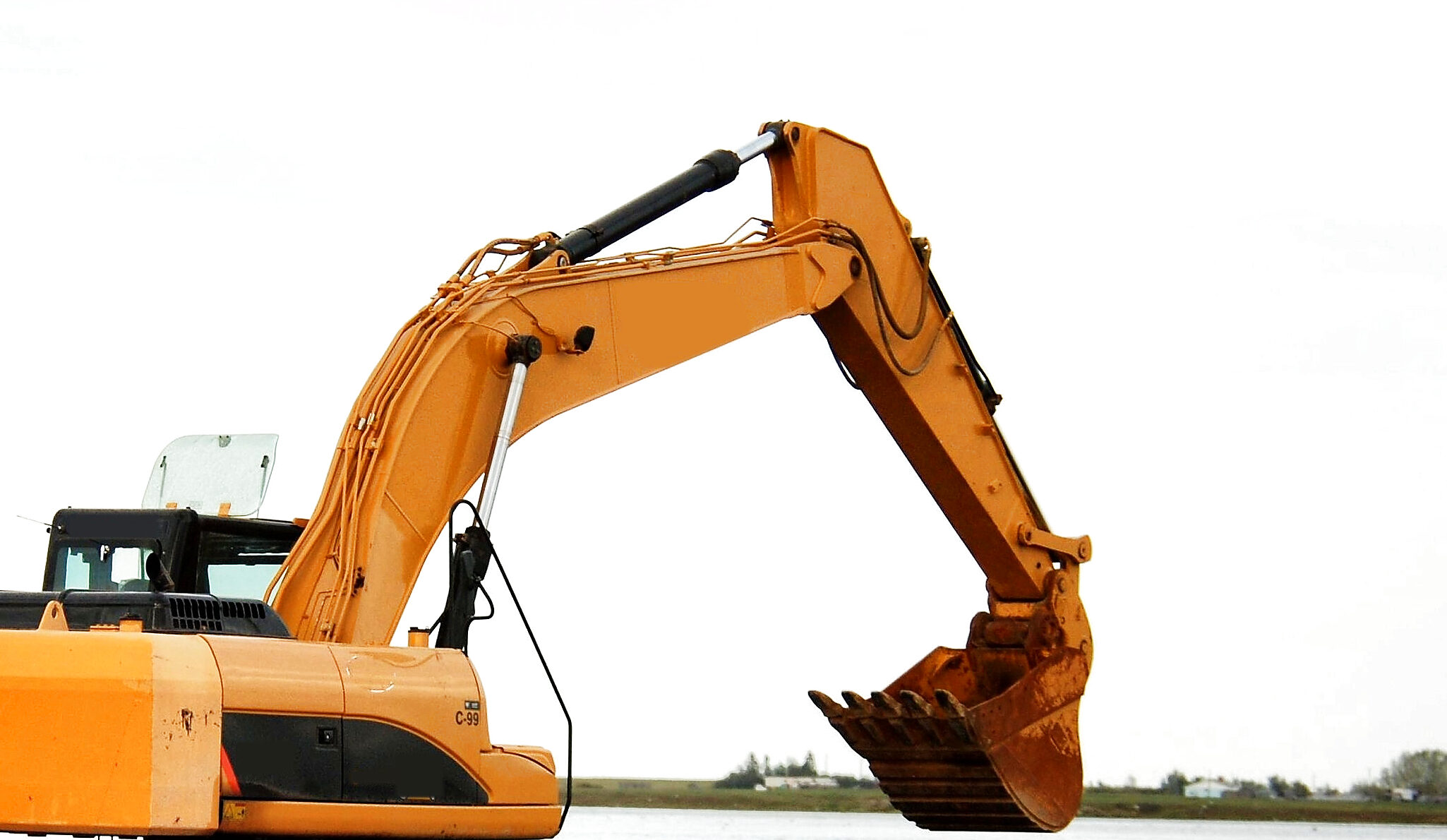
Heavy-equipment autonomy needs a state estimate closer to what an experienced operator actually perceives, so the state set is wider than a position: the mission frame, the chassis frame, the rotating upperstructure frame, the tool frame and linkage state, velocities and angular rates, ground slope and the local support plane, slip and traction confidence, load and tool interaction, pose covariance, sensor health and calibration validity, and confidence in dust, glare, precipitation, darkness and occlusion.
A machine can be locally collision-free and still be unsafe, because of slope, slip, load, hydraulic response, swing inertia, tool contact, ground failure or uncertain chassis orientation. On a continuously rotating excavator, upperstructure attitude is never silently substituted for chassis attitude.
Unknown state is a valid state. Uncertainty changes permissible behaviour: when state quality falls below what a skill requires, the task system slows, stops, asks for human review, or prohibits the skill. Safety-relevant sensors carry their own diagnostics and a defined failure response.